The AI Revolution Nobody Is Ready For
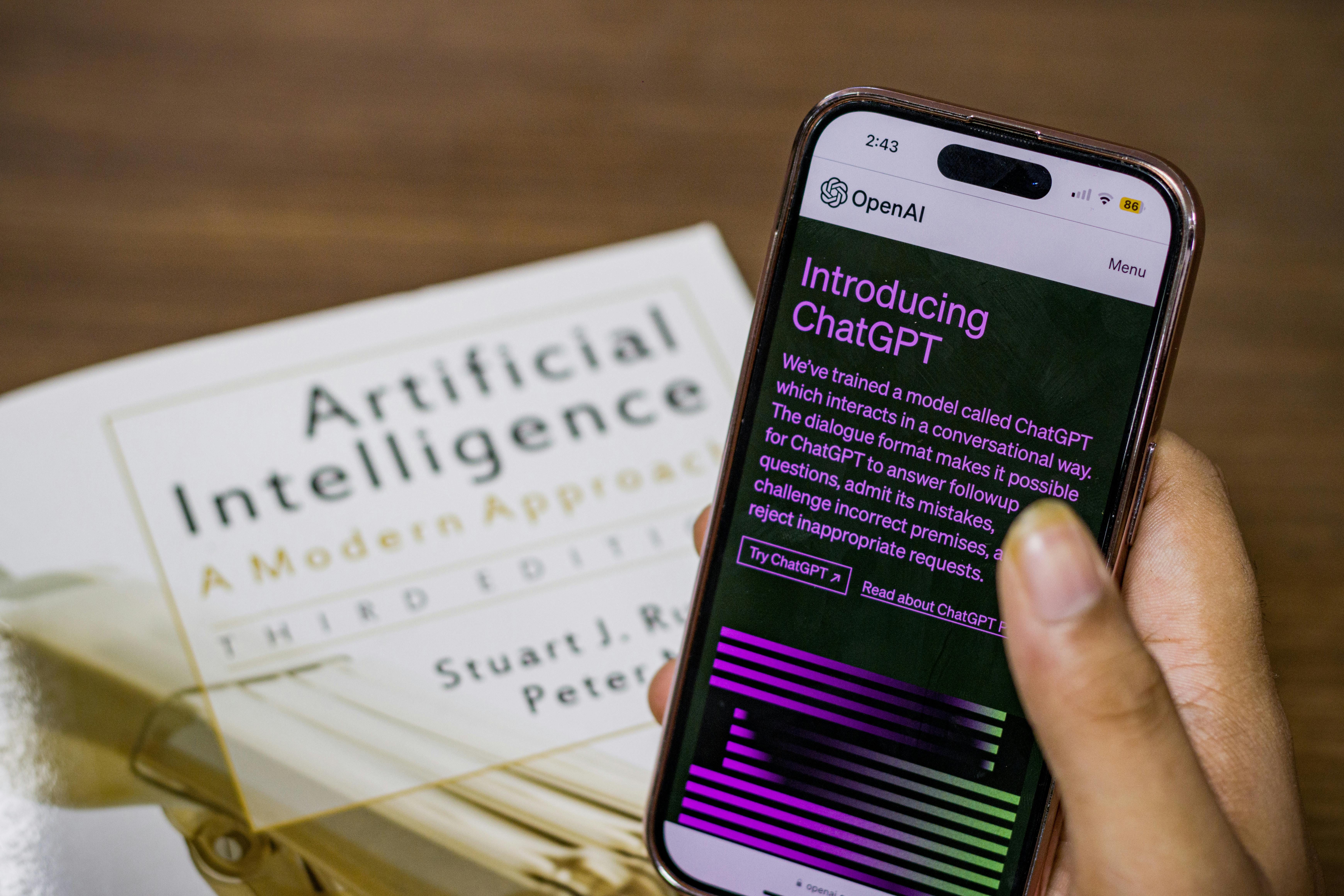
Something is already happening to the American workforce and almost nobody in Washington is talking about it.
Artificial intelligence is not a future threat. It is a present reality. It is in the logistics software that routes the trucks. It is in the customer service platform that replaced the call center. It is in the diagnostic tools hospitals use, the underwriting systems insurance companies run, the legal research platforms law firms deploy. It is writing first drafts, generating code, processing claims, and screening resumes. It is doing, right now, work that millions of Americans were doing just five years ago. McKinsey projects that 30 percent of current work hours in the United States could be automated by 2030. The World Economic Forum estimates 92 million jobs will be displaced globally in that same window. These are not fringe projections. They are mainstream forecasts from serious institutions. The disruption is not coming. It is here.
The warning and the opportunity are the same story.
AI will also create jobs. New industries, new roles, new categories of work that do not exist yet. Every major technological shift in history has eventually produced more work than it eliminated. The Industrial Revolution. The advent of computers. The internet. Each one displaced workers and ultimately expanded the economy. The honest case for AI is that it can free human beings from repetitive, dangerous, and dehumanizing work and redirect human energy toward things that require creativity, judgment, and empathy. That is a real possibility and it deserves acknowledgment.
The problem is the gap. The gap between the job that disappears today and the new job that exists in five years. The gap between the 54-year-old logistics coordinator whose position was automated and the retraining program that is supposed to prepare her for something new. The gap between what the economy will eventually produce and what the families living through the transition are supposed to do in the meantime. That gap is where people fall. That gap is where communities hollow out.
That gap is what no one in Washington has a serious plan to address.
The tariff argument misses the point entirely.
We have spent the last several years debating tariffs as the solution to American manufacturing job loss. Tariffs address the wrong problem. The primary driver of manufacturing job displacement in this country is not foreign competition. It is automation. A factory that brings production back to American soil and then runs it with robots did not bring the jobs back. It brought the output back. The workers who lost those jobs to overseas facilities are not getting them back from a tariff. They are competing with machines, and no trade policy addresses that. We cannot tariff our way out of a technological transformation.
Through my non-profit work with the WonderSeed Foundation, I have spent years using technology, including virtual reality, inside LA County juvenile probation facilities. Not as a gimmick. As a therapeutic and educational tool that reaches young people who have not responded to traditional approaches. What that work taught me is that technology is only as good as the human intention behind it. VR does not heal a young person. The connection it creates, the empathy it builds, the new perspective it offers, that is what heals. The technology is the vehicle. Humanity is the destination. That principle applies to AI across every sector. The question is never whether to use the technology. The question is who it serves and who gets left behind when it does.
Here is what needs to happen and what I will push for in Congress.
First, AI transparency and accountability legislation. Any company deploying AI systems that make consequential decisions about people, hiring, lending, healthcare, housing, benefits, must be required to explain how those systems work, what data they are trained on, and how errors are identified and corrected. Algorithmic decisions that affect people's lives cannot be a black box. The people affected by those decisions have a right to know how they were made and a path to challenge them.
Second, protecting workers from uncompensated displacement. When a company automates a role that a human being held, that human being deserves more than two weeks of severance and a wish of good luck. A federal workforce transition fund, funded in part by the companies capturing the productivity gains from automation, should provide meaningful retraining, income support during transition, and genuine pathways into the jobs that are actually being created. The companies benefiting most from AI should contribute to the communities absorbing the disruption it causes.
Third, updated education and workforce pipelines built around the skills AI cannot replace. Critical thinking. Emotional intelligence. Complex problem solving. Creative judgment. These are not soft skills. They are the skills that determine who thrives in an AI economy and who does not. Our community colleges, workforce development programs, and K-12 curriculum must be rebuilt around this reality. We cannot prepare people for the economy of 2035 with the training programs of 2005.
Fourth, small business AI access. The productivity gains of AI are currently flowing primarily to large corporations with the resources to deploy it at scale. Small businesses, the backbone of this district, are at risk of being priced out of their own markets by competitors with AI advantages they cannot match. Federal programs that make AI tools accessible and affordable for small businesses are not optional. They are an economic equity issue.
The AI revolution is not waiting for Washington to catch up. It is already reshaping who has economic power and who does not, which jobs survive and which disappear, which communities adapt and which hollow out. The families here at home do not have the luxury of waiting for Congress to finish debating it. They are living it right now.
I am running for Congress because this district deserves a representative who understands that the economy of the next decade will be built by people who are honest about the economy of this one. The disruption is real. The opportunity is real. The gap in between is where policy either steps up or steps aside.
Ballots are in your hands. Primary is June 2nd.
With clarity and purpose --
Nina Linh
Independent Candidate, CA-40